
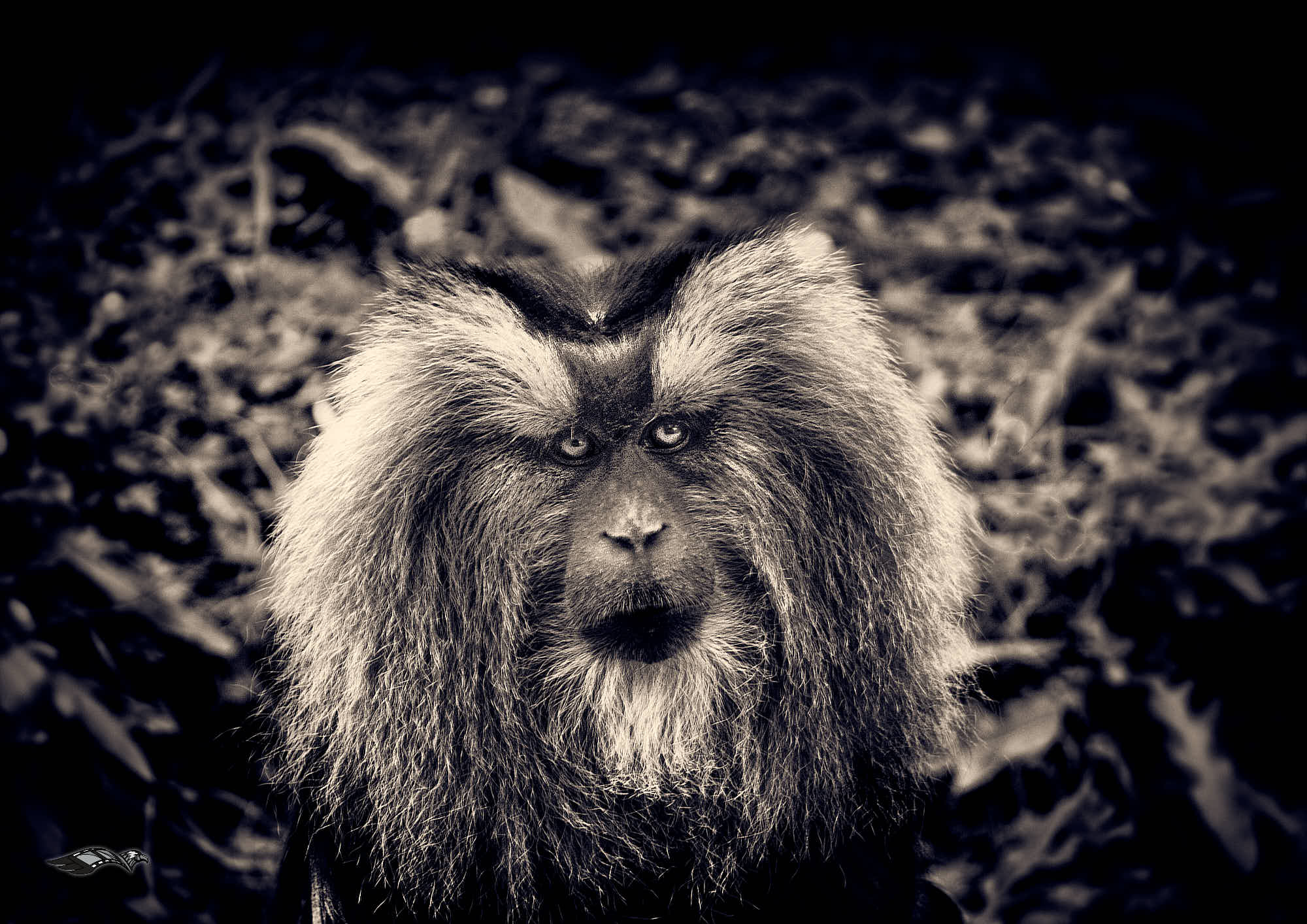
Photography has never been so accessible, so powerful or so technically advanced. Surgical autofocus, ultra-defined sensors, software capable of correcting, optimising and enhancing almost anything. And yet... never have the eyes seemed so fragile, don't you think?
A paradox emerges: as technology advances, something is lost. A presence. An intention. A breath. What if, by trying so hard, we end up not really seeing? 🧐
1. Confusion between technical expertise and vision
Has technology become an end in itself?Worse: a criterion of legitimacy?
Everything is right... but can it be empty? Photography then becomes an exercise in conformity:
«Instead of »Does it say anything?«
The eye can vanish behind the process.
2. Photographing with your head rather than your eyes
Are we, photographers, really still looking?
Aren't we anticipating too much?
The scene is no longer experienced, it is mentally optimised before it is even felt. On the one hand, it's good to be able to plan ahead, to anticipate, but Wouldn't mastery mean doing as much as possible when you capture it, depending on how you feel? Take the time to feel? To capture? 😌
The risk:
We no longer photograph what is there, but what we plan to make afterwards.
3. The obsession with control: mastering everything, smoothing everything out
Modern technology loves control. And control hates the unexpected.
But what makes a strong image is not perfection.
It's often :
Technique seeks to correct. The eye, on the other hand, accepts and bears witness to a reality.
4. The gaze is born of silence, not performance
The look cannot be decreed, it evolves and matures. You can't buy it with a more expensive camera or an extra plug-in.
It appears when :
Many great images are created before the camera. In a moment of suspension. Technique speaks loudly.
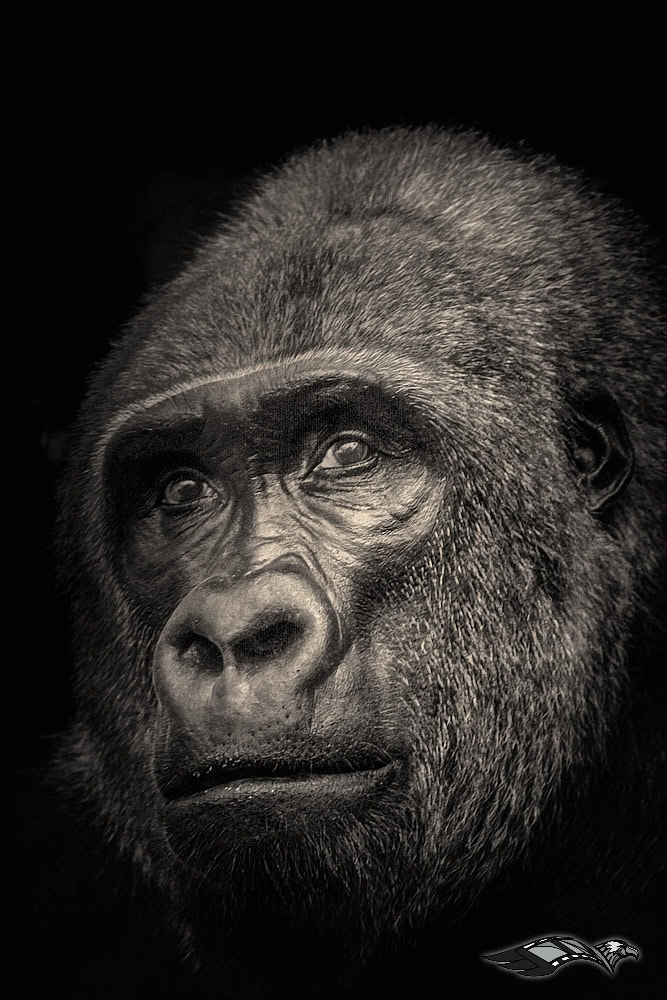
The eyes speak softly.
5. Putting technology back where it belongs
Please note, I'm not saying that technology is the enemy, but I think it should be a servant, not an artistic director. 😅. It should :
When technology becomes invisible, the gaze can finally appear.
6. Photograph less, see more
Maybe the solution is simple, and difficult at the same time 😜 :
A strong photograph does not say:
«Look how well it's done»
He says:
«Just look...»
7. Conclusion
Technology doesn't kill the look with excessive power. She kills him when the decision is relinquished to her. the look must be a choice, an internal positioning, and even more a form of presence in the world.
But paradoxically, The more advanced the technique, the rarer and more precious the eyes can become.
Perhaps, in a world of perfect images, true radicalism consists simply in seeing.
There, that was my little philosophy for the day 🤓 ! Thanks for visiting and reading, feel free to read more in my philosophy of photography category, travel a little in my galleries.
Well photographed,
David







Opinion: I'm buying back the time of those who are bored.
This will allow me to browse the site without running!
I'm a fan of philography
Thank you for your feedback,
I hadn't thought of that, but I think I'll stick with the term «philography» - it's got a nice ring to it! 👍
Thank you! 🤓