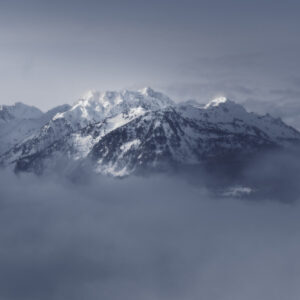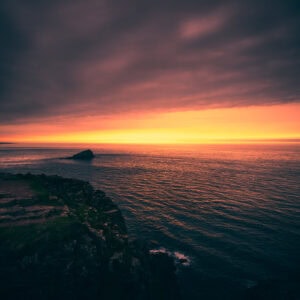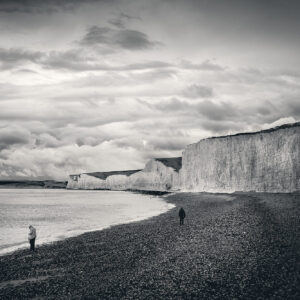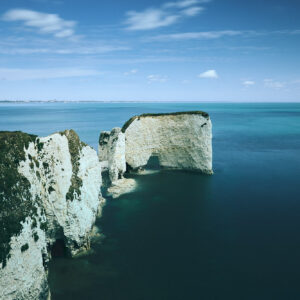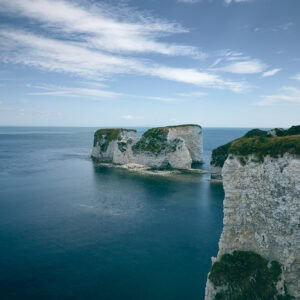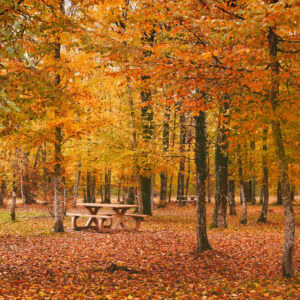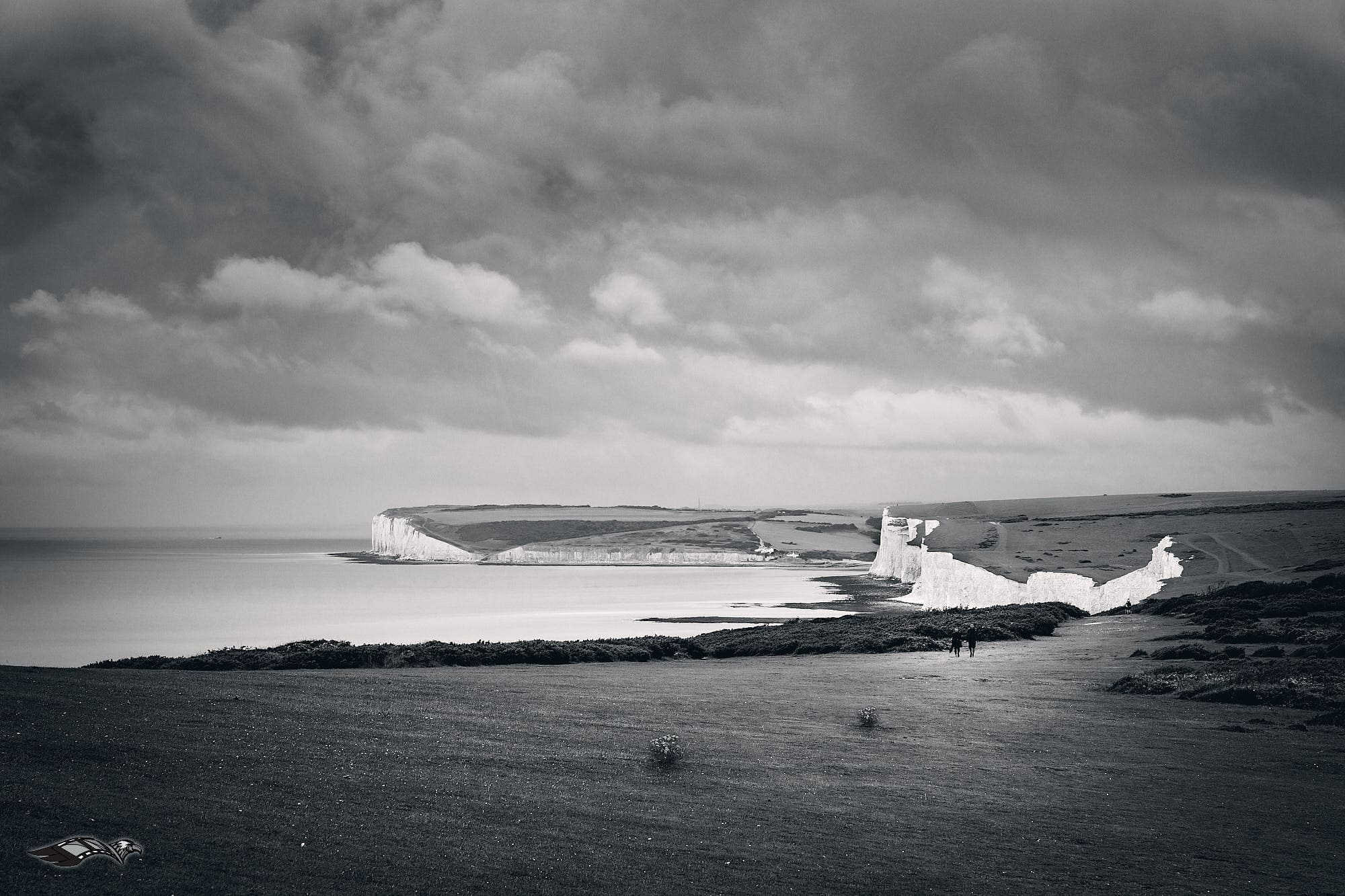
Landscape photography is not just about capturing a spectacular scene. It seeks to convey a feeling: the silence of a misty morning, the softness of golden light, the soothing immensity of a sea horizon. To capture the serenity and tranquility of a landscape is a subtle art, At the crossroads of technique, sensitivity, and inner presence.
In this article, let's look at how to photograph tranquil landscapes and convey deep emotion through our images.
1. Understanding the concept of serenity in landscape photography
Visual serenity rests on several fundamental elements:
A peaceful landscape isn't necessarily spectacular.. This could be a still lake, a mist-shrouded forest, or a deserted beach at sunrise. The key lies in the atmosphere.
2. Choosing the right moment: the magic of quiet hours
Light is the central element for evoking tranquility. The first and last hours of the day offer :
These moments also reduce human activity, favouring more minimalist scenes. The mist acts as a natural filter. It simplifies the landscape, softening secondary details and Create an ideal poetic depth to suggest serenity.
3. Simplify the composition to convey a sense of calm
In calming landscape photography, Less is often more. Purification could be a rule here
A well-placed horizon, a tranquil waterline or a discreet path a fleeting glance is sometimes enough to create a strong image. Furthermore, Horizontal lines naturally evoke stability and tranquility. Calmer water, open plains, a clear sky: these elements visually structure peace.
4. Master soft light and natural colours
Colours play a major psychological role. Serene-promoting tones:
Avoid excessive saturation. A light and respectful retouching will enhance the authenticity of the scene. Also, Slight overexposure can soften the image. Conversely, Overly dense shadows create a visual tension less conducive to tranquillity.
5. Use a long exposure to enhance the calming effect
Long exposure is a powerful tool for photographing serene landscapes:
It transforms agitation into visual smoothness. A tripod and an ND filter allow you to achieve this effect, even in broad daylight.
6. Connecting internally with the landscape
Photographing serenity logically requires feeling it. Before clicking:
Photography then becomes an extension of your inner state. If you are calm, your image will be too. That's a big reason why I have a passion for photography ☺️
7. The best places to capture peaceful landscapes
Certain destinations are particularly suited to contemplative photography. Japan offers a remarkable minimalist aesthetic, particularly around Kyoto and the majestic Mount Fuji. Iceland's vast expanses invite contemplation, especially near Vik.
For my part, my experience in the Lofoten Islands was a meditative journey. You can also browse the gallery..
8. Conclusion : Photographing silence interior
Capturing the serenity of a landscape doesn't just depend on the equipment. It's an inner démarche as much as an artistic one. Observe, simplify, wait for the right light, compose with delicacy: these, in my opinion, are the keys to creating images that breathe peace. ✌️
In a world saturated with visual stimuli, offering a photograph imbued with calm is a true gift, isn't it? What do you think?
Thank you for visiting Dragonstreet Photography, and we hope to see you again soon for new adventures.
David