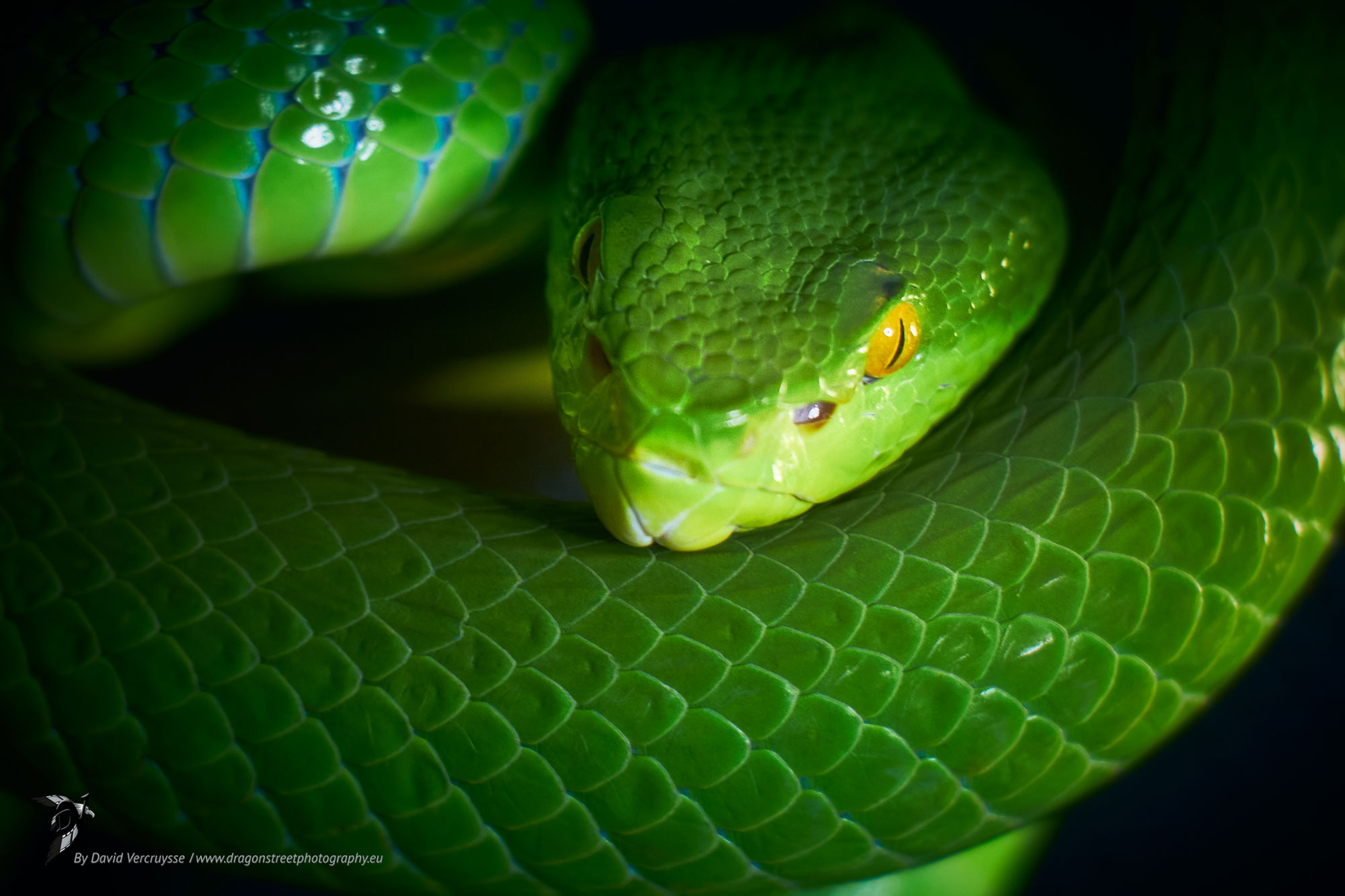
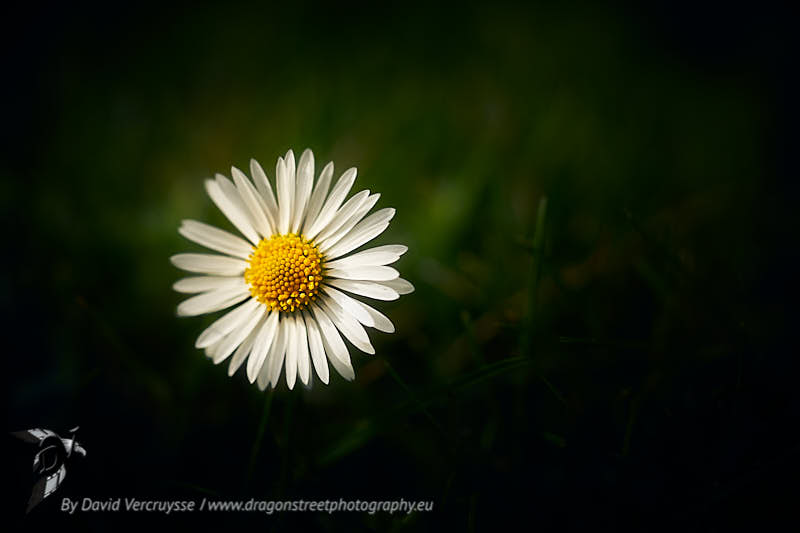
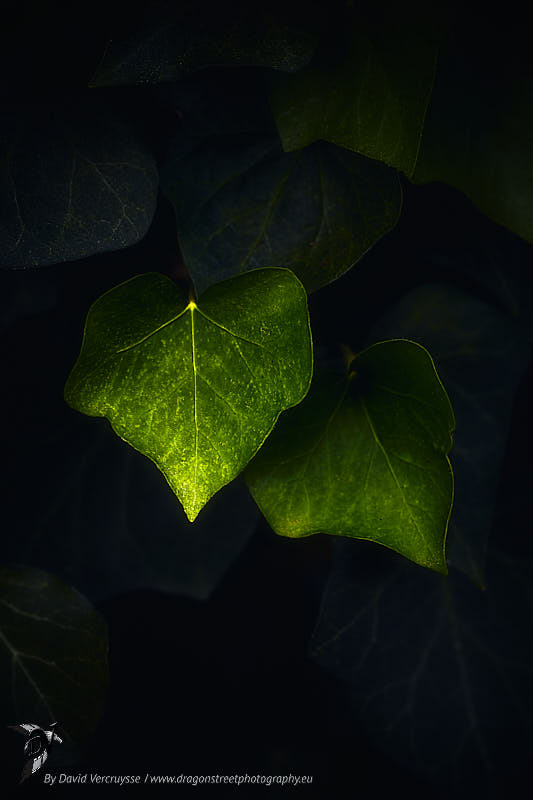
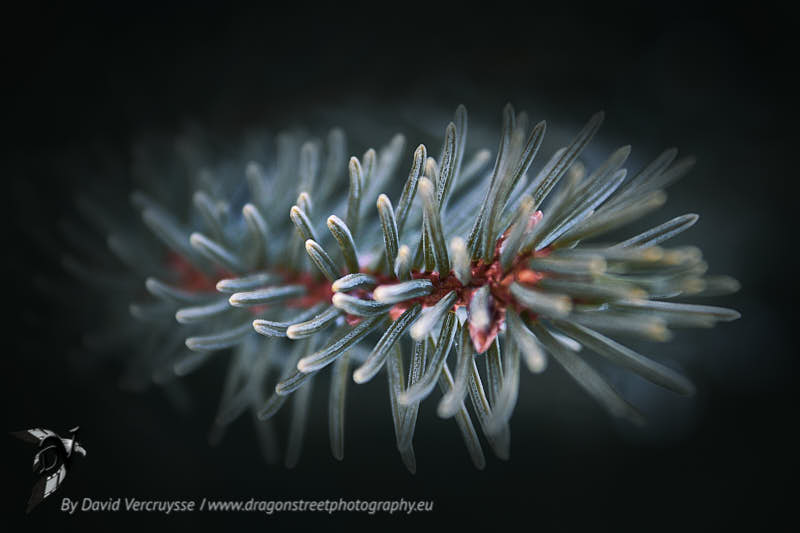
Confined photography? Is it possible? For outdoor or landscape photographers, confinement can feel like a real prison! Bound hand and foot in your own home, like a gilded cage for creative explorers!
In my previous articleFor the first time in a few weeks, I've come up with 4 ideas to keep us busy photographically speaking, on subjects where many of us have things to do, and we rarely take the time, whatever the reason! But after these few weeks, the capture artist in us gets restless!
Sorting and developing photos is always fun, but after a while you need to get some fresh air and the image hunter has to make a few clicks ... doesn't he? I think a lot of people can relate to that! The question is: how do you photograph in a confined space?
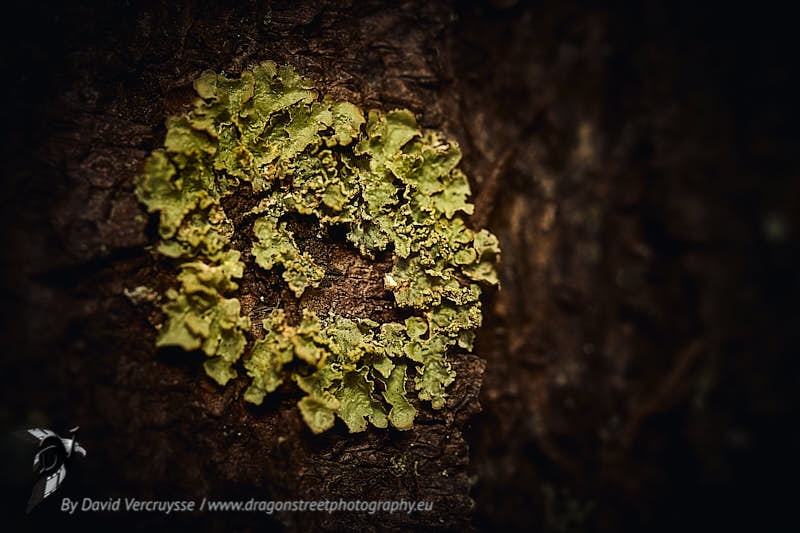
Here's a solution to the lack of clicks ! If we can no longer work with large landscapes on a human scale, why not work on miniature landscapes? In fact, we're shrinking the scale, shrinking the frame, by doing macro or proxi photography!
Macrophotography or Proxiphotography
Given the current circumstances, I'm going to present things in System D form. That is to say, capturing miniature landscapes, with the minimum of equipment, and even less the top ideal of the macro photographer !
The common definition of macro photography is taking pictures at a scale or magnification of 1:1. In other words, the subject photographed is the same size on your sensor as it is in real life! Now that's getting scientific, we won't go any further here.
Being confined to small spaces, especially for photographers of wide open spaces, I thought I'd be working with standard equipment, for proxiphotography, in other words making "close-up photography", i.e. photographing things of small size !
Keeping our creativity alive with another form of exercise will save us from getting our brains too rusty!
With what equipment
If you already own a macro lensIt's great, just mount it on your case and you're ready to go!
For the others, find the lens with the maximum aperture, for example a 50mm F1/4, or the lens that allows you to focus as close as possible to your subject. Some transtandards have specific macro settings that allow you to focus much closer to your subject by activating this button! We'll manage with that!
So if you've got extension tubes in your drawers that you haven't used for a long time, now's the time to get them out! You see, these are simple tubes that you place between the camera body and the lens! It's very simple and very cheap! This allows you to put some distance between the sensor and the lens, which will enlarge your subject. You'll be closer to your subject, which will appear bigger! There is still a loss of light, but with a 50mm f1/4 lens, for example, the result is very respectable and you can take some beautiful images! Isn't that the lens? System D!
Depending on the lens you've chosen and the light outside, a flash is usually a welcome addition, especially for hand-held work! It will speed up the shutter speed! For fun I found a cheap ring light that does the job quite well, but in the end I prefer to use a portrait reflector on an ordinary flash! The light is softer and more diffused!
What is confined photography?
Here I'm trusting your creativity as an artist photographer, while giving you a few ideas to get you started:
If you have a garden
- Flowers
- Insects
- Drops of water, dew
- Foams
- Mushrooms
- Tree bark
If you live in a flat
- Insects? 😁
- Bouquet flowers, you can even use the tripod!
- Objects
- Food
- Various textures: wood, fruit skins, fabrics, etc.
Here is my way of doing things, which may be completely different from that of other photographers:
- I photograph freehand (I don't like to be crowded)
- I'm usually between 1/100 and 1/200
- I prefer to move around, back and forth, keeping the focus, the button in action all the time.
- You have to be as calm as a sniper, be patient, breathe slowly and be completely relaxed!
- Many photos are out of focus at first!
My post-production workflow
- A lot of annoying details will have to be removed! There will frequently be a lot of dust and debris to clean up!
- And even more, to remove the many distractions!
- Working on exposure and highlights
- Working on noise
- Reframe
That's how to photograph in a confined space, and nurture a little creativity in these difficult times,
I invite you to visit this section to a little philosophy,
I wish you all courage and good health,
see you soon
David