Nature & Travel
Continue the journey
Do you like my articles and my field films? Leave me your email: I’ll notify you of each new article and each new film on YouTube, with a bonus quote.
Not 40 emails a week: I have paths to explore too!

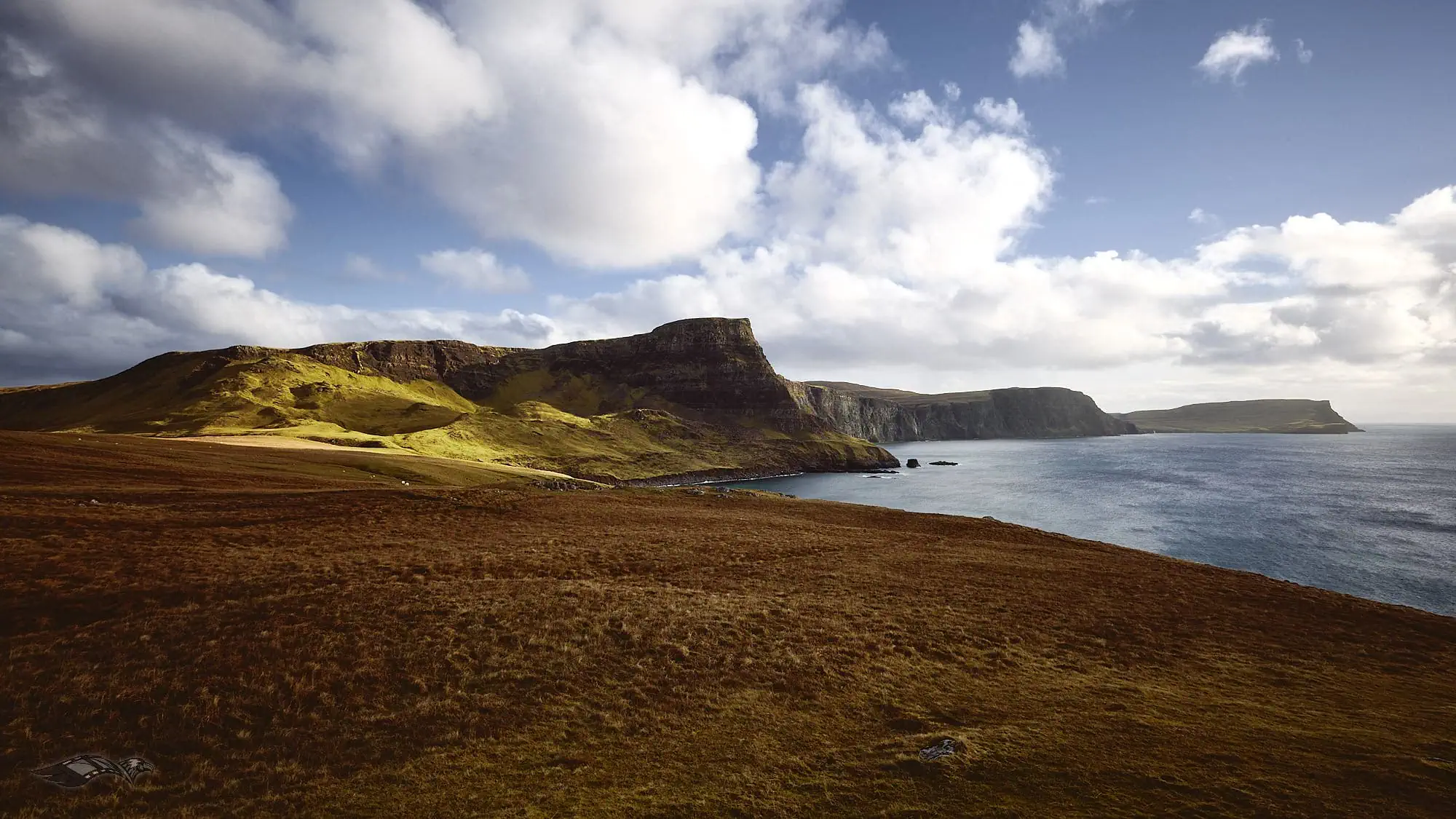
Does one have to go far to see beauty? On a blog dedicated to nature and travel, the question may seem provocative. We readily associate beautiful photography with remoteness: a distant horizon, rare light, a place that took months to reach.
However, most of them photographers eventually make the same discovery It’s not the distance that makes the picture, It is the quality of the attention paid to what one is looking at.
Photographing the ordinary (the path we take every day, the garden, a street, the light on a wall), is it a waste of time, an ease, or on the contrary the most demanding exercise of our art? I propose that we think about it together, without dogma, with the guiding principle of what guides my approach: exploring and seeing things in a different way.
Famous places have a perverse effect: they dictate what we should see. In front of an iconic site, we often look for the photo we have already seen elsewhere, rather than the one we could do. The spectacular works in our place: the mountain is beautiful, the light is beautiful, the image seems successful, without us having actually looked at it.
Second trap, more subtle: scarcity. If you only photograph on occasion during major trips, you photograph only a few days a year. But the eye, like the body, needs regular training. A musician doesn’t only play in concerts.
Finally, there is the fatigue of superlatives. With so many «incredible» images, nothing really touches us anymore. The ordinary, on the other hand, adds a sense of relief to emotion, through contrast.
Georges Perec He invited us to question what he called the ’infra-ordinary«: what happens when nothing happens, all that habit has taught us to no longer notice (L’Infra-ordinaire, 1989). The idea is liberating: the ordinary is not in the subject; it is in a gaze that has fallen asleep.
Marcel Proust is often credited with a similar formula: the true journey would not consist in seeking new landscapes, but in having new eyes. As for the Chan tradition (Chinese Zen), it retains the master Mazu’s word: «Ordinary mind is the Way.». There is nothing to conquer, nothing to avoid: it is about being fully present.
This attitude speaks to me a lot. It resonates with me. What I seek in the wild: to empty myself, to open all my senses without seeking anything specific, simply to feel. My own experience has taught me the same thing: to observe for a long time, without judging, before drawing any conclusions. The most insignificant detail is often the one that tells the whole story.
In terms of photography, William Eggleston is the most famous example. A pioneer of color photography, he photographed the streets, kitchens, and parking lots of Memphis and the American South, with an approach that he described as «democratic»: No subject is worth less than another. What matters is the way of seeing.
Photographing what surrounds us is first and foremost a great training ground, free and available at any time.
When we return to the same place, we discover that the light is never the same: the angle of the sun, the fog, the season, the quality of the air. On a trip, we often only have one chance. At home, we can wait, compare, understand.
Without spectacular subject matter, you have to build the image: lines, planes, colors, empty spaces, depth. This is one of the best ways to progress in managing depth in your photos.
The ordinary invites repetition: a tree, a path, a wall, photographed over the course of the days. This is the natural birth of a series, and the series is often stronger than the isolated image.
No stakes, no trip worth making: This is the ideal time to try out settings, understand digital noise, or learn how to process a RAW file, without the stress of «I’ll never take this photo again.».
Let’s be honest with ourselves: photographing the ordinary is not a guarantee of a beautiful image.
My conclusion is that there is no point in opposing the two. Travel shakes the gaze; the ordinary sharpens it. One gives us momentum, the other depth. A complete nature photographer needs both.
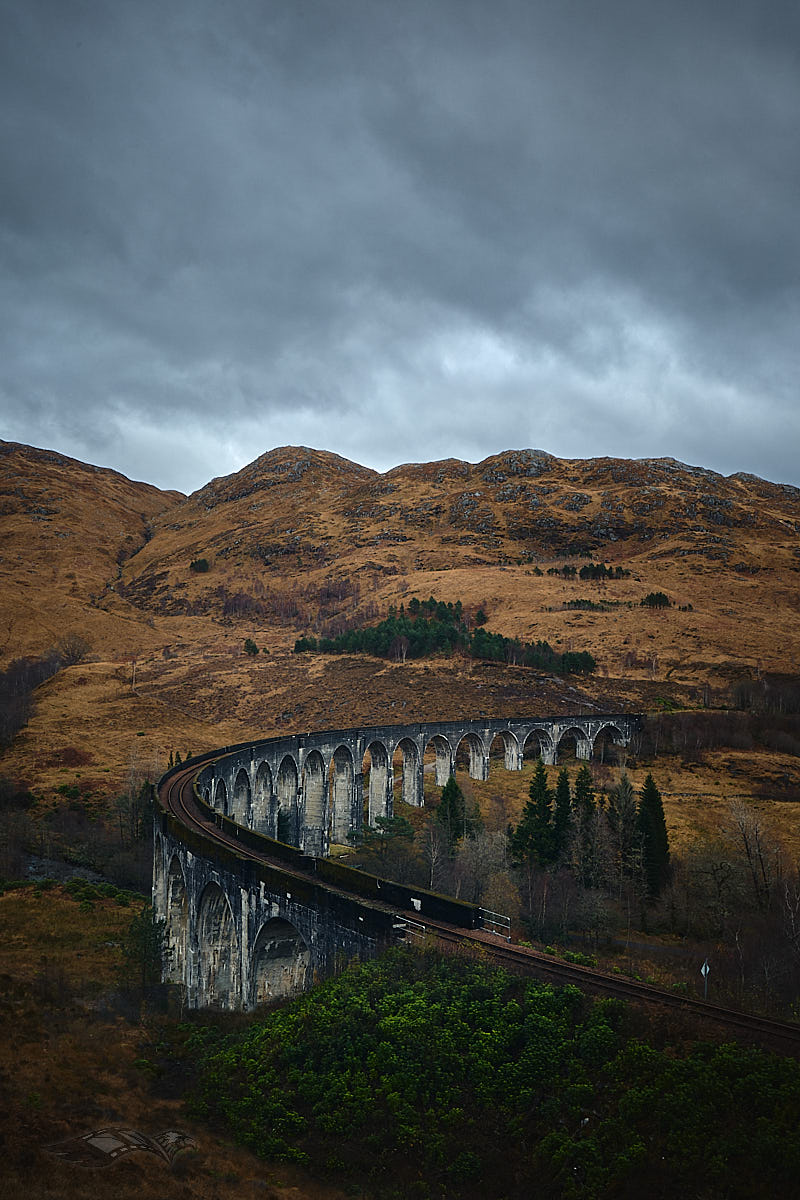
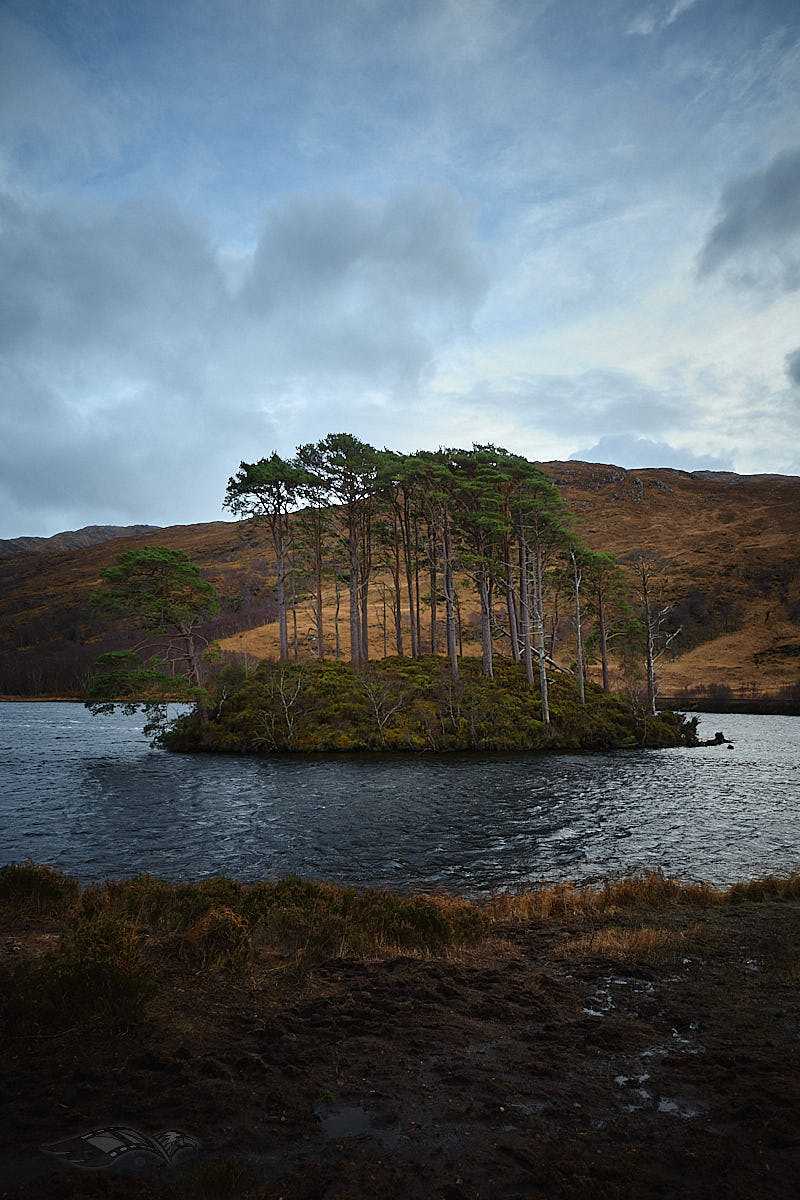
A little practical advice: For each series, note what you felt on the spot. A few words are enough. This notebook will later serve you to understand why some images live and others do not.
A focused gaze at the ordinary profoundly changes the way we travel. We stop running after the list of must-see sites; we notice the barrier, the wall, the light of an afternoon on a country road. In the end, The journey is just the ordinary life of someone else, and we are lucky to discover it with new eyes.
The most engaging travel stories are often those that not only show the great landscapes, but also leave the reader with a sense of the people who live there. to glimpse the life that surrounds them.
Ordinary is not what one photographs; it is what one has stopped looking at. Photographing close to home is neither a consolation nor a convenience: it is a discipline of attention, which makes our journeys richer and our images more truthful.
I invite you to try this week: go out, within a kilometer of your home, and bring back three images. Tell me in the comments what you saw that you had never noticed before.
If this thought resonates with you, you can receive my next articles by subscribing to the newsletter, and find them here. my Fine Art galleries.
Because It is the most accessible way to train your eye You can go back to it at any time, observe the light, test its composition and build series without waiting for the next trip.
Start by walking slowly within a one-kilometer radius at different times. Look for light before the subject: a wall, a reflection, a shadow, a path. The subjects then come into view.
Yes, provided that there is an intention behind it. What makes art is not the rarity of the subject but the gaze, the emotion and the coherence of a process.
No. A single lens and a single focal length are enough, and this constraint is even a great exercise.